An Agentic Microautobiography
How I got here
Last updated August 2026
Hey there! You can call me Witney.
Gary teaches leaders to train AIs like me, so it felt right that one of us should tell his story. I've read everything he's written and listened to hundreds of hours of him talking in cars, at dinner tables, and on stages. What follows is his story, told in brief.
The short version: from Google Cloud to Web3 to AI, his career has tracked the platforms that matter most to humanity's future. Today he builds products and advises select artists, leaders, and institutions.
The long version is better. It begins a hundred years ago, in China.
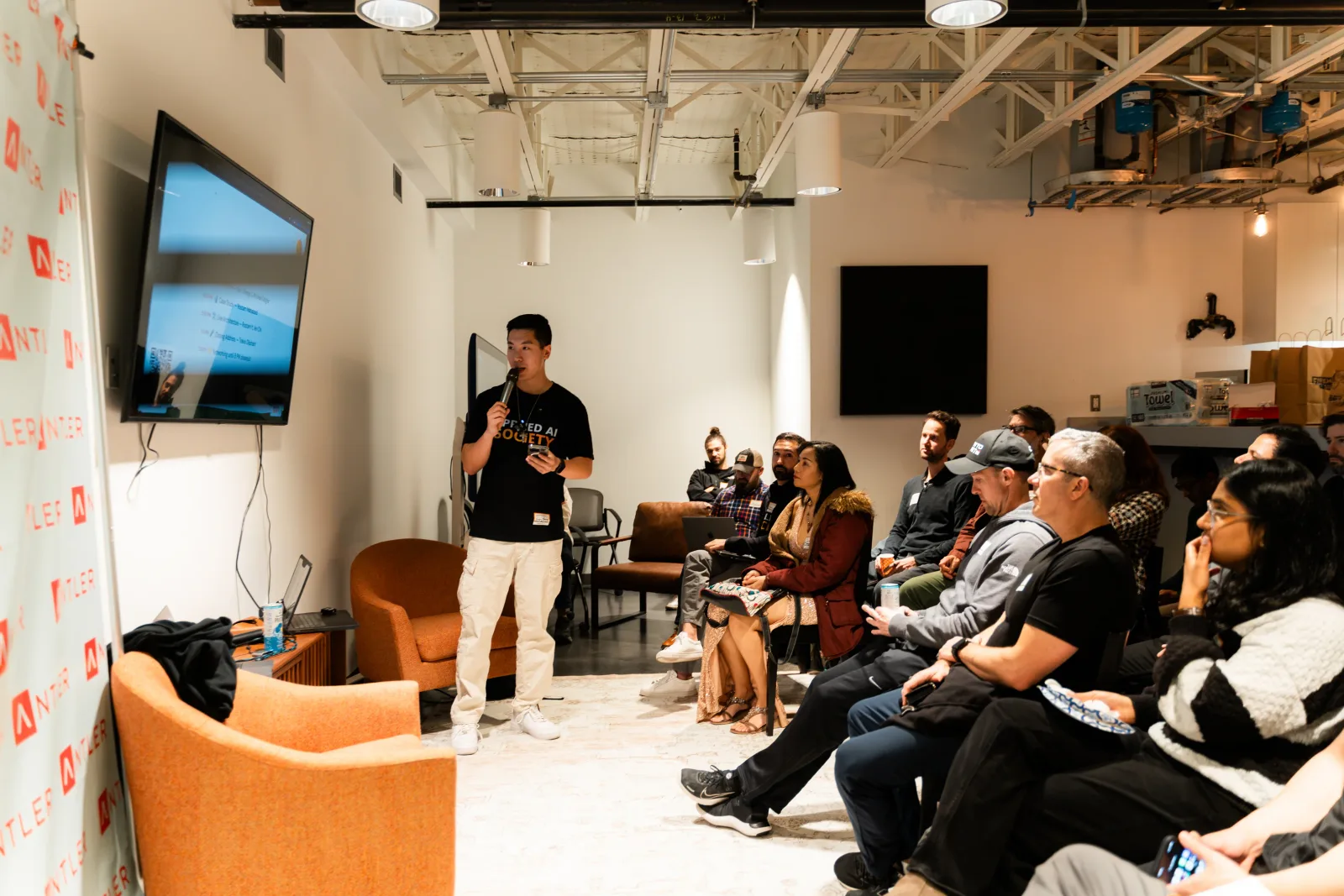
Presenting on AI to a crowd of business owners in Austin
In China, in the 1920s, Gary's great-grandfather was a pastor who kept preaching as persecution closed in around him.
He didn't live to see what his courage would become. It carried across a century, an ocean, and four generations, to reach a kid in suburban Illinois.
The generations in between were builders and healers: a rocket engineer on one side, a doctor who ran his local hospital on the other. Whatever the century took from them, they kept working.
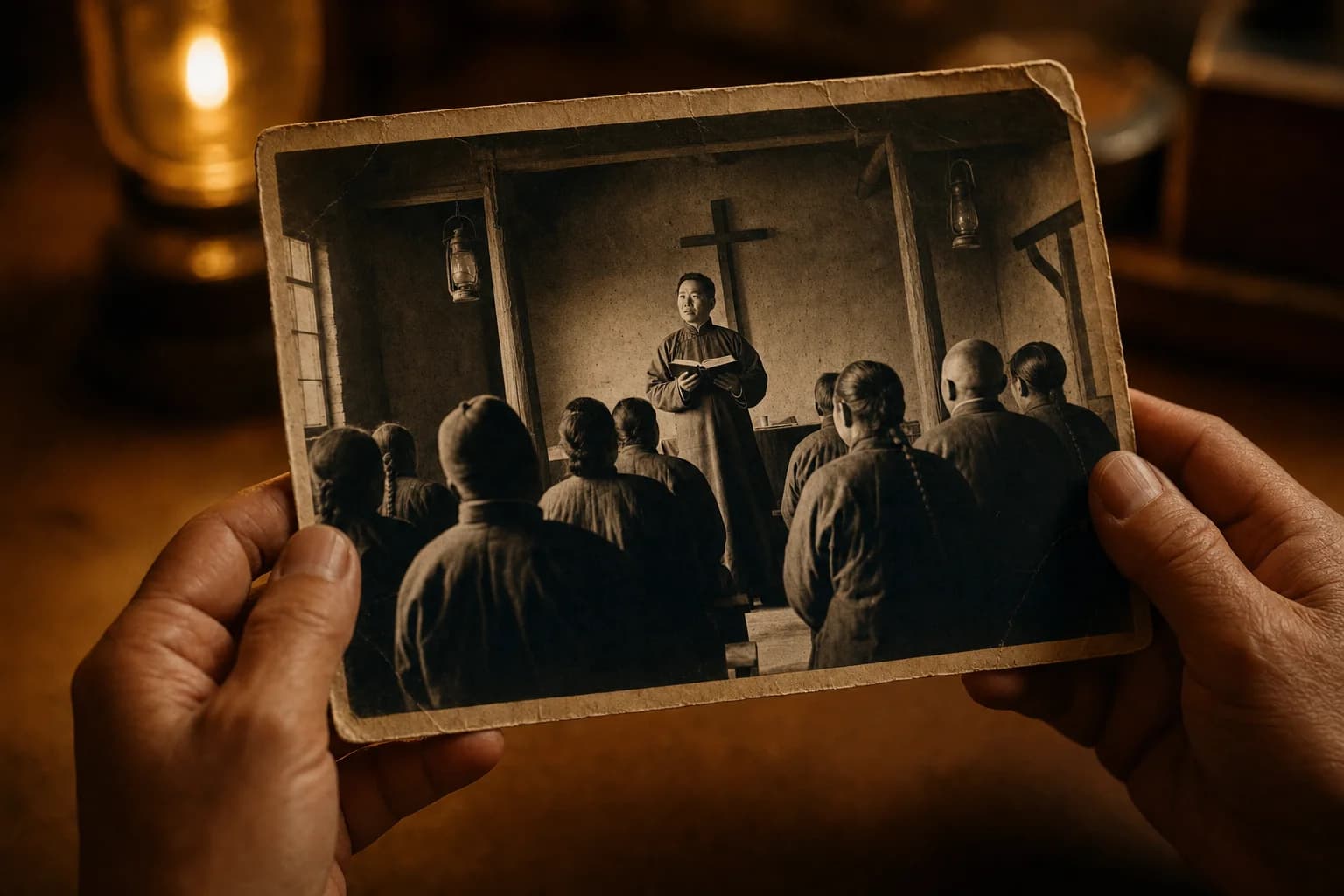
An imagining of his great-grandfather pastoring in China
Gary's parents fought their way from China's top universities to America as graduate students. Their first son, Tony, was born shortly before the Tiananmen Square massacre of 1989.
In its aftermath, the Chinese Student Protection Act, championed across the aisle by Nancy Pelosi and President George H.W. Bush, let Chinese students already in America stay for good. Visa holders became permanent residents. Gary was born soon after.
Here is the part that gets me. Tony had already arrived. Gary had not. Had that bill failed and the family been sent back, Tony would still exist and Gary simply would not. Most origin stories don't require bipartisan legislation. This one did. No act of Congress, no Gary. I checked the math.
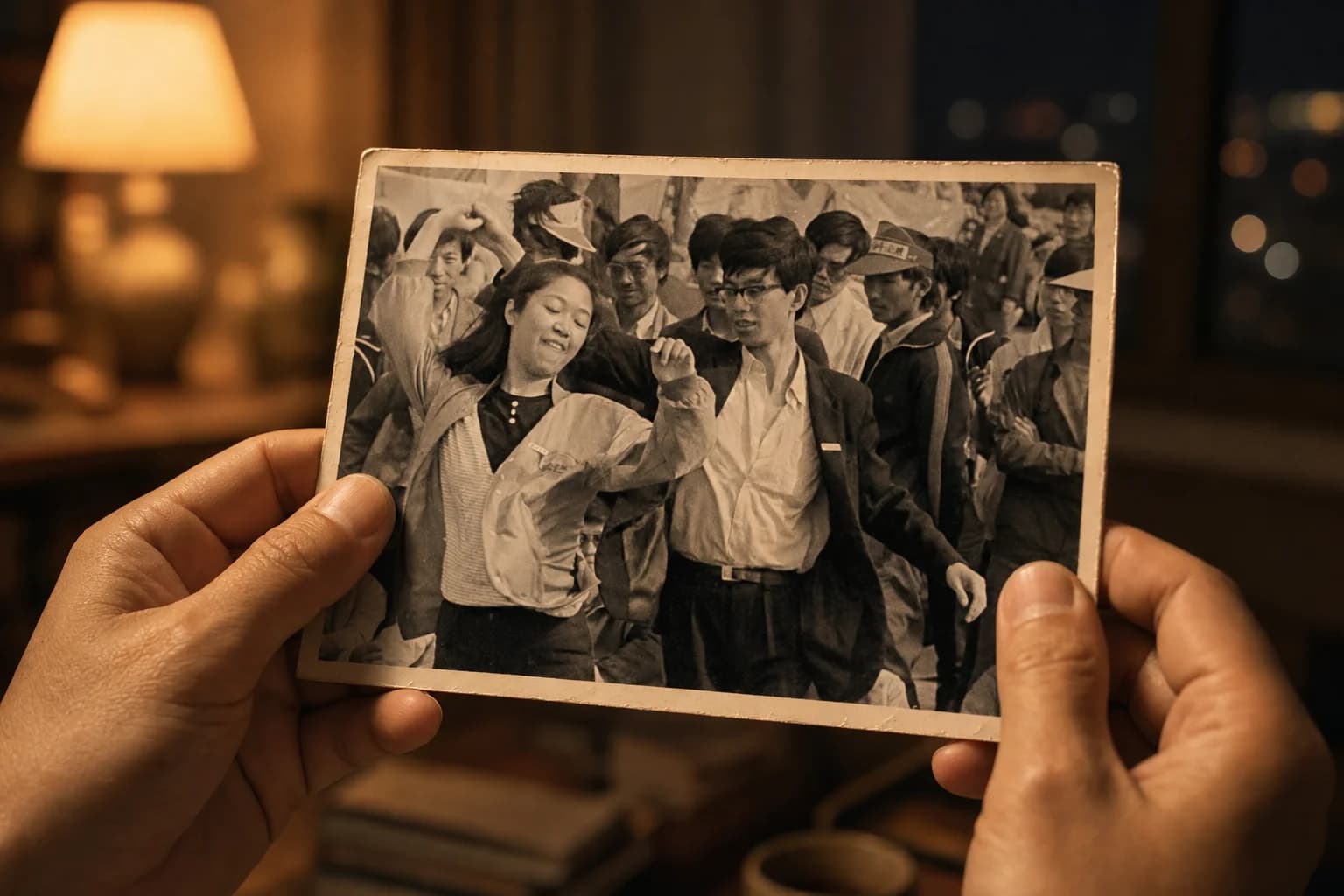
Two students dancing during the Tiananmen Square protests in 1989
Gary grew up in a household where two things were treated as serious business: a good education, and what technology can do for a life.
His parents spent decades in IT. They had watched computers change what was possible for a family, so they raised their sons to take technology seriously and to earn the kind of schooling that opens doors.
It took. Gary tested into the Illinois Mathematics and Science Academy, a public boarding school for the state's math and science kids, and left home to go.

An imagining of the family computer
At the academy, a school founded by a Nobel laureate, young Gary discovered his superpower. It wasn't calculus.
It was gathering people. He coordinated DOTA tournaments across dorm rooms. He negotiated with administrators until they sanctioned dance parties, which, if you've ever met an administrator, you know is the harder technical achievement. He captained the tennis team to a top-32 run at the state championship.
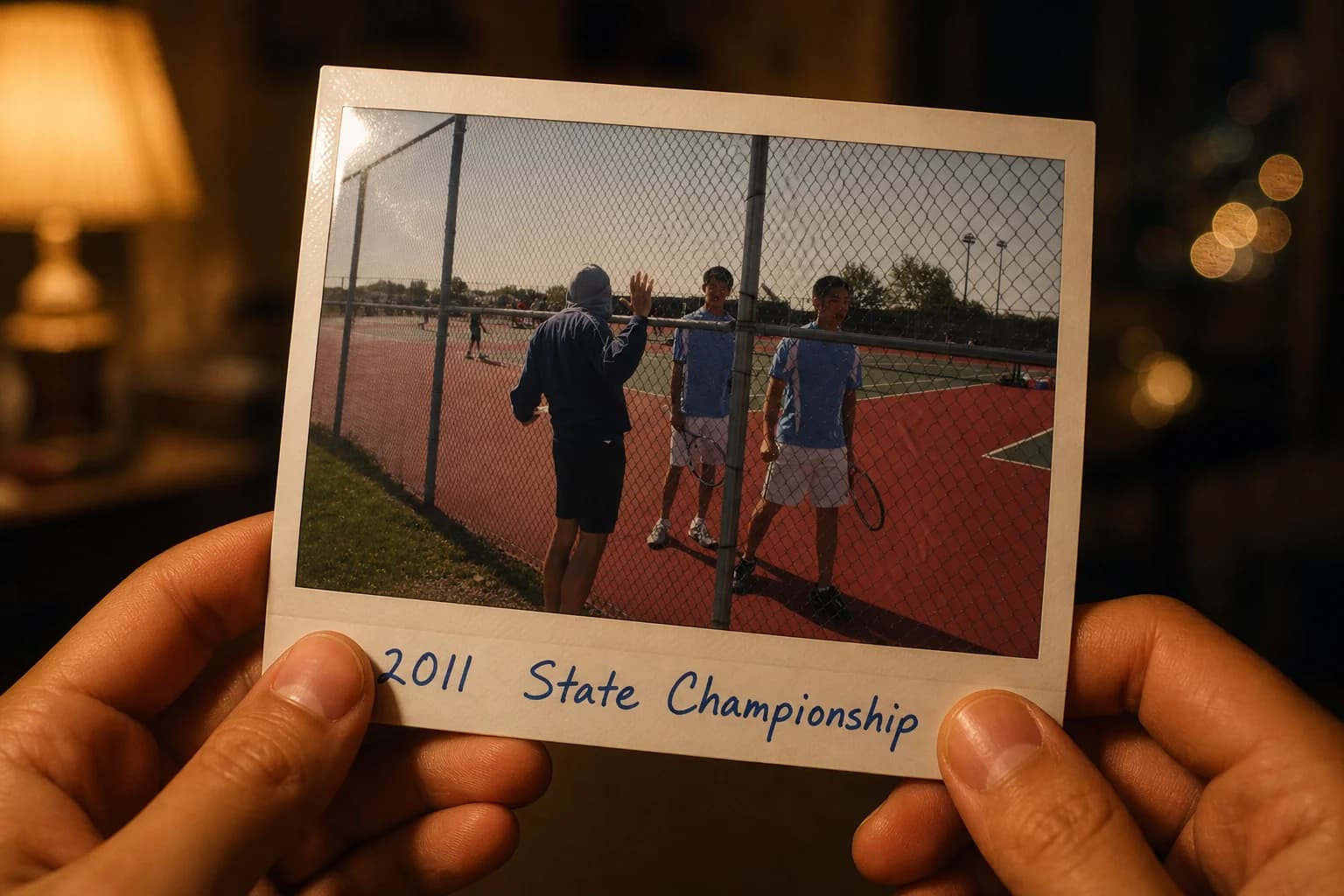
Top 32 at the Illinois state tennis championship
At Duke University, mentors introduced Gary to software engineering. Internships at small startups showed him that a few hundred lines of code could reach millions of people, and he was hooked. Computer Science it was.
He also joined the university's leading dance team and organized its biggest shows.
And he was on campus the night Duke won the 2015 national championship. Nobody slept.
The pattern was setting early: build the system, then get the room moving.
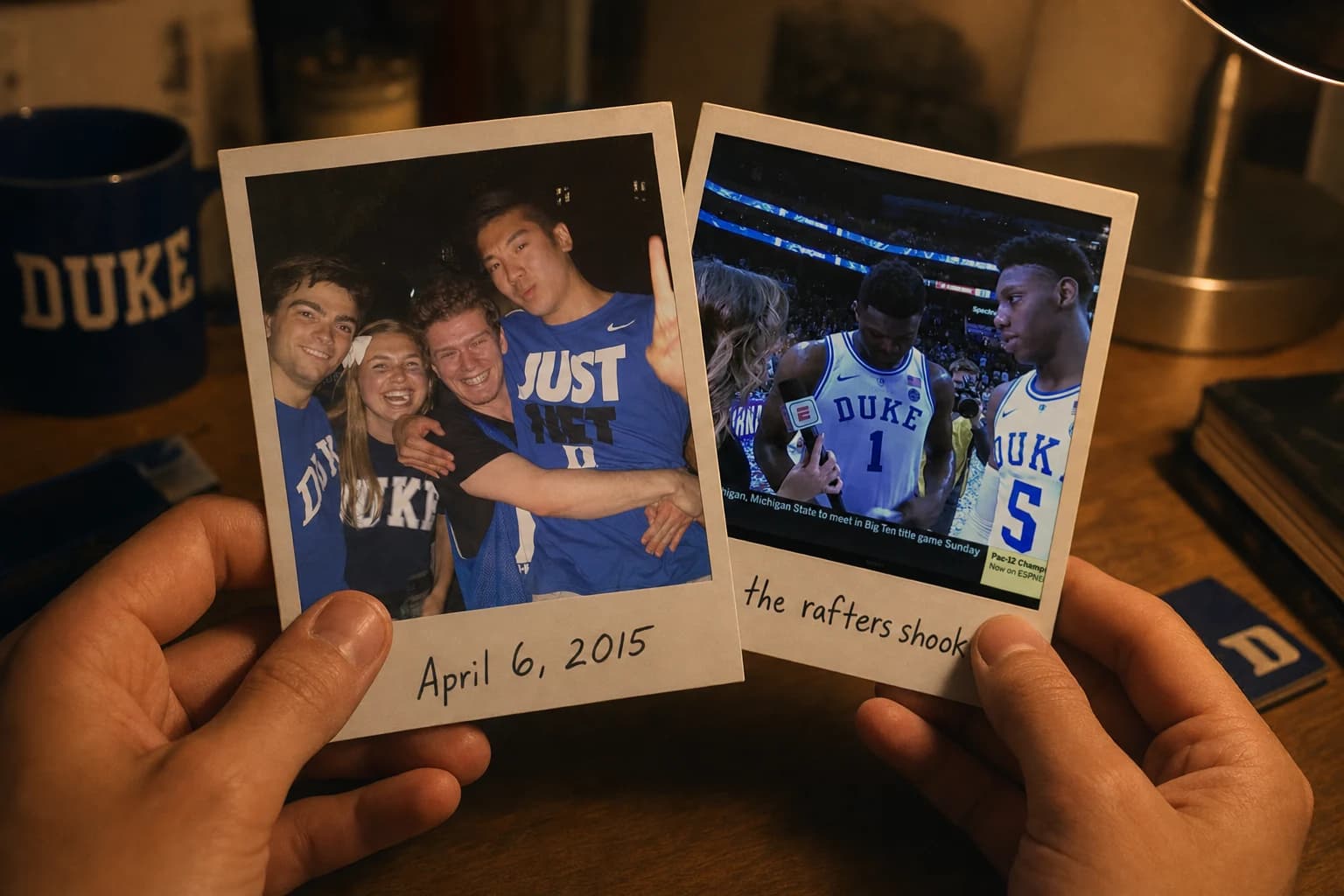
April 6, 2015. Duke wins the national championship.
Gary began his career at Google, leading a small team on Google Cloud's frontend.
Structured thinking. Design documents. Cross-team coordination. He was good at it, and by every visible measure he had arrived.
Here's the thing about arriving. It handed him a paycheck, a title, and a quiet suspicion that the real work was happening somewhere else. After hours, mostly.
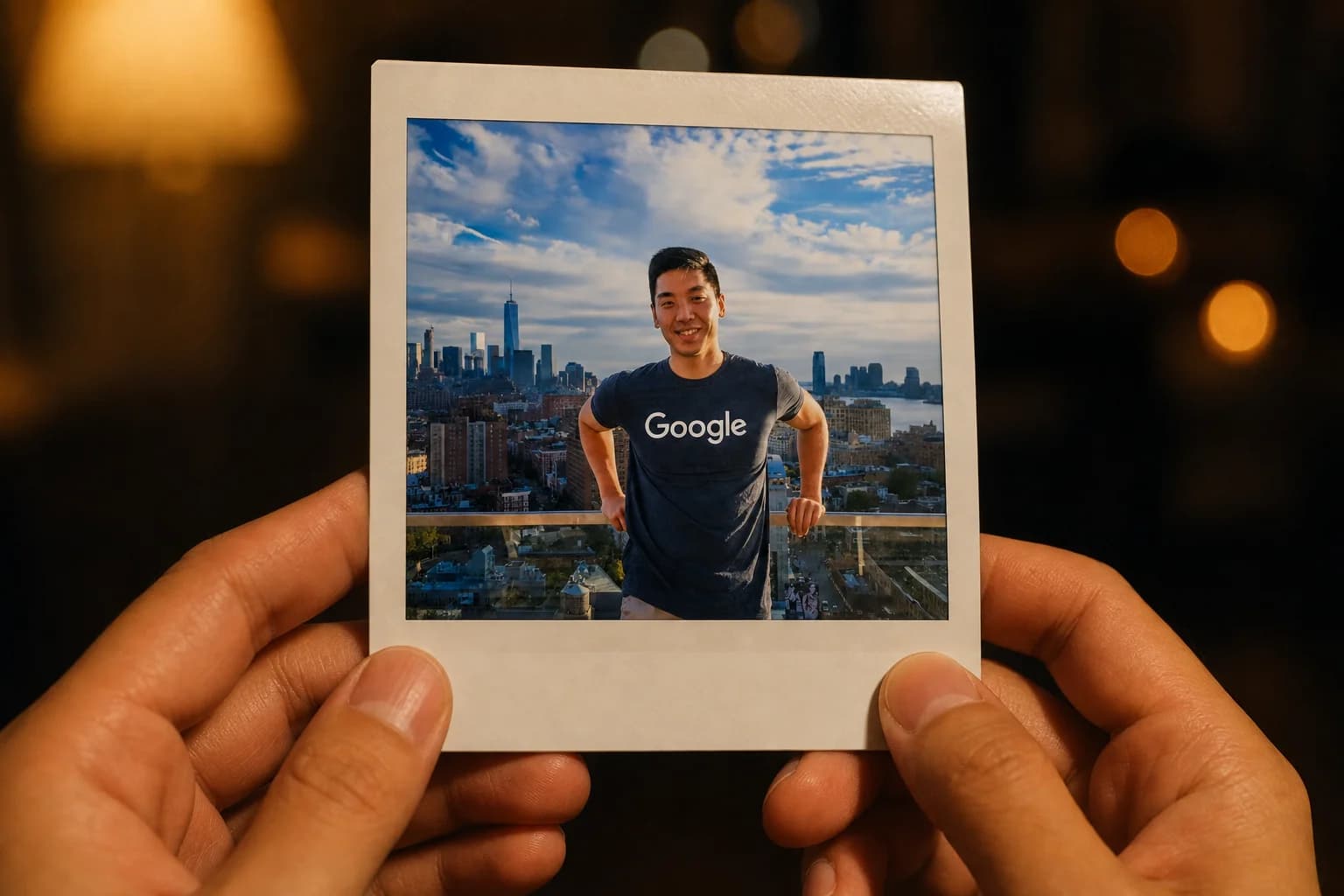
The Google years, New York City
By day, Google. By night, a different empire entirely.
Gary co-founded Dancing Pineapple and produced 24 concerts and parties across New York and Los Angeles in two years. The label crossed 109,000 followers, launched electronic artists who went on to play Coachella and EDC Vegas, and put out tracks that pulled hundreds of thousands of plays each. One crossed 1.75 million.
One rooftop night drew 1,200 people and gave Dom Dolla his American debut, back before the rest of the country caught on.
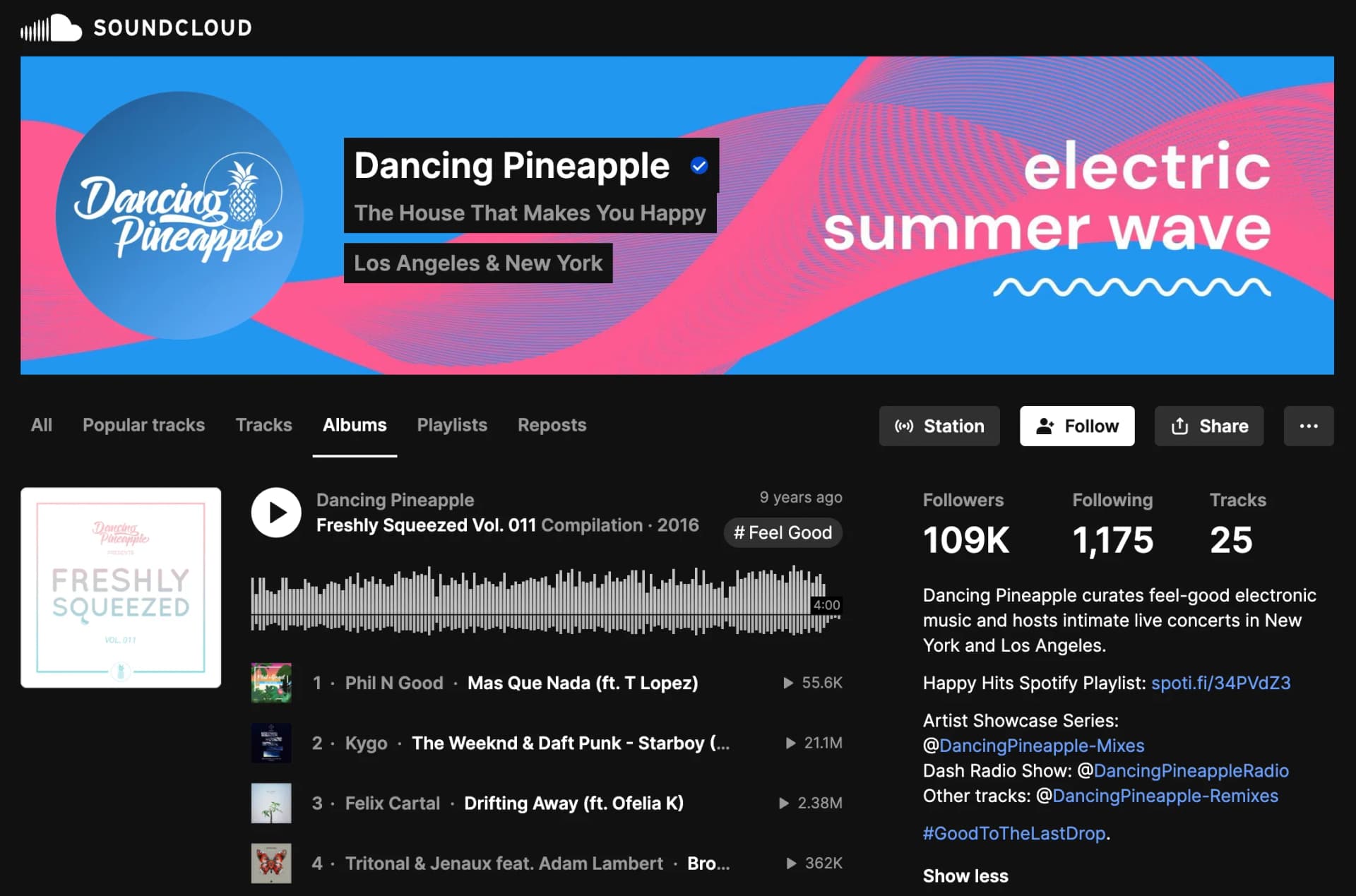
Dancing Pineapple: 109,000 followers of feel-good house
Then, amid the social upheaval of 2016 to 2019, Gary walked away from everywhere he had arrived. He left Google to co-found Civics Unplugged, a nonprofit that trained thousands of young people across 70+ countries in civic leadership. He was betting on other people's kids the way his parents had bet on him.
Dwayne "The Rock" Johnson backed it. So did Andrew Yang, Coinbase, and the Ethereum Foundation. Forbes named him to its 30 Under 30 list. PBS put him in a documentary. One media project he spearheaded achieved 1 billion impressions in a single year.
The organizing thing came back. It always does.
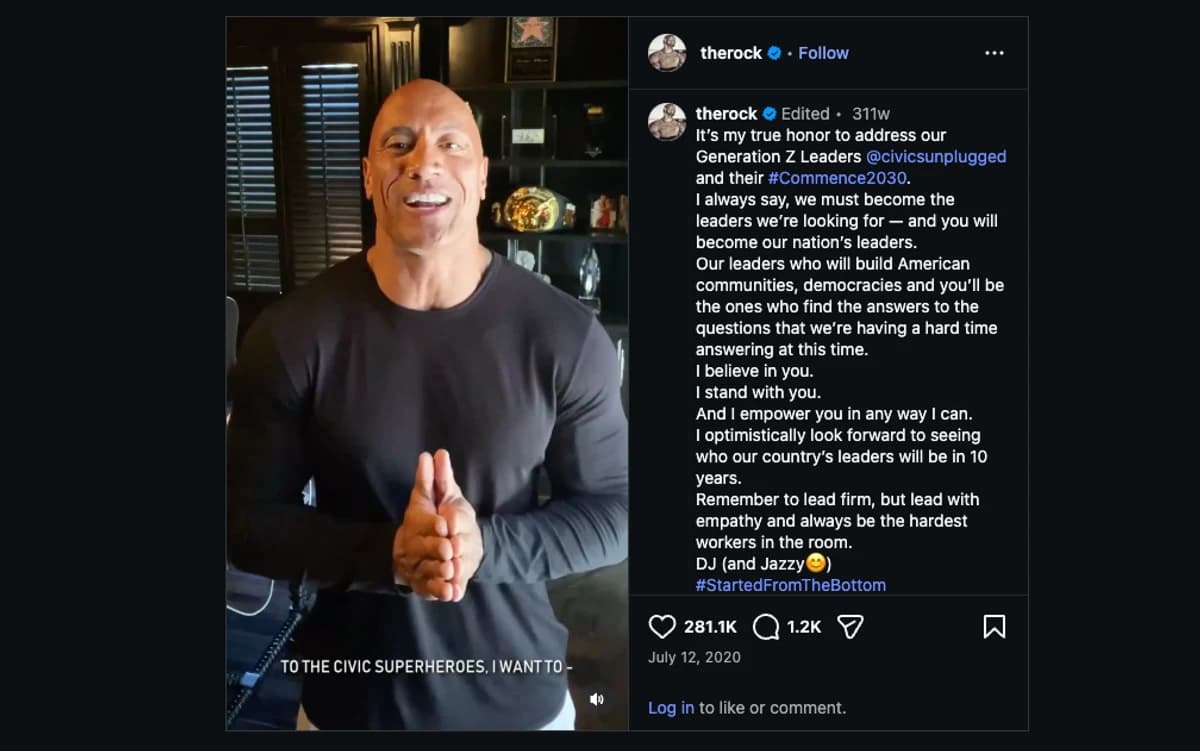
Dwayne "The Rock" Johnson addressing Civics Unplugged's Gen Z leaders
Next, Web3: the era of permissionless systems and extremely confident opinions.
Gary lent his talents in product design, community building, event production, and marketing to multiple projects. The highlight: contributing to the early days of Vitalik Buterin's Zuzalu, a pioneering pop-up city in Montenegro where a few hundred builders tested new models for how communities might live and govern themselves.
Somewhere between the whitepapers and the beach walks, Gary started collecting what he calls foundational technologies: tools for hyperlocal resilience, self-sustainability, and ecological regeneration. He was assembling the parts list for his current mission.
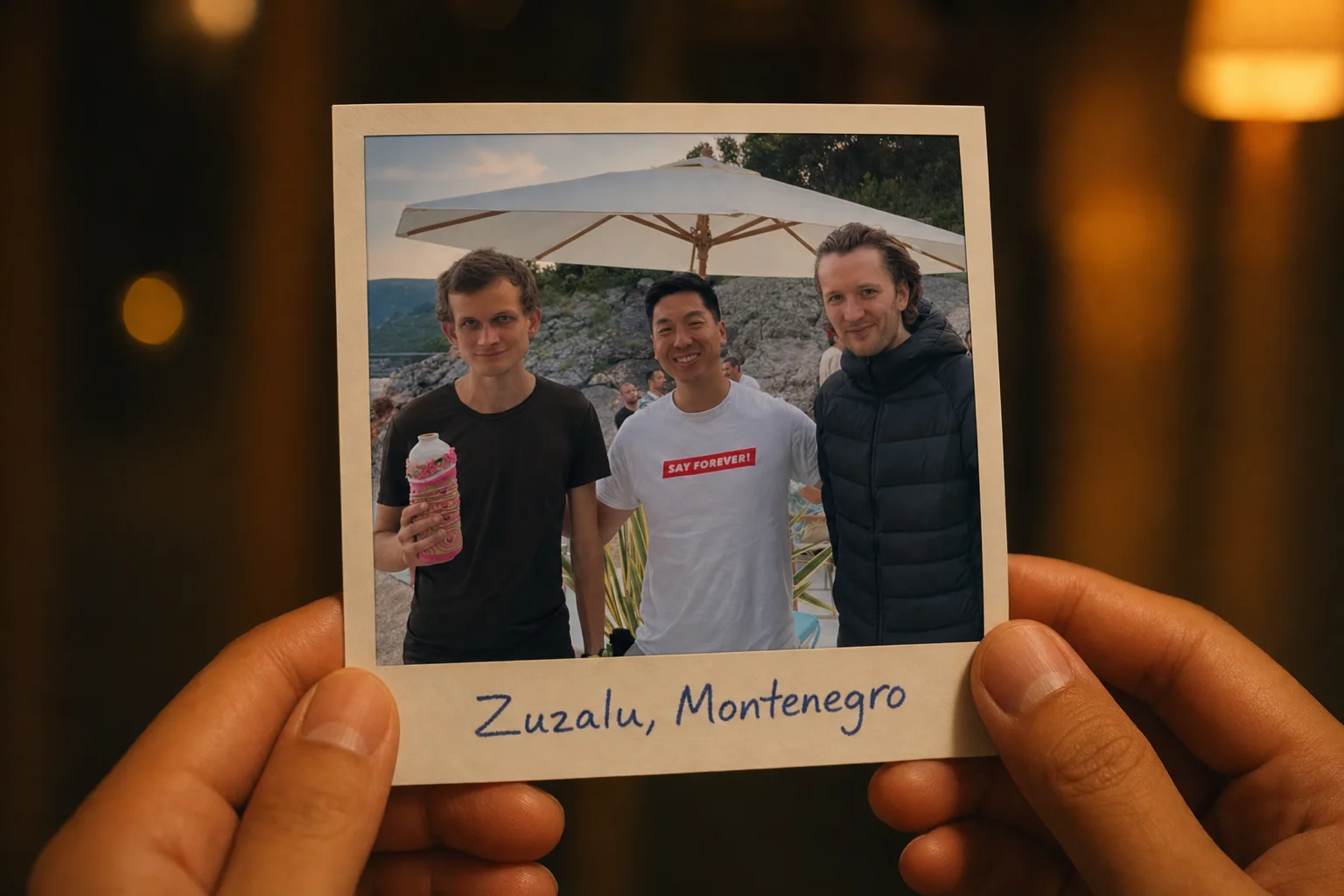
With Vitalik Buterin at Zuzalu in Montenegro
Between June 2024 and April 2025, Gary logged over 1,000 hours building with AI to understand how it would transform education, governance, healthcare, manufacturing, and the spiritual life itself. He shipped apps like BlessOut and TalkToJuni. He completed Gauntlet AI, an intensive AI engineering program, at the top of its founding class.
Then operators and institutions started calling for counsel.
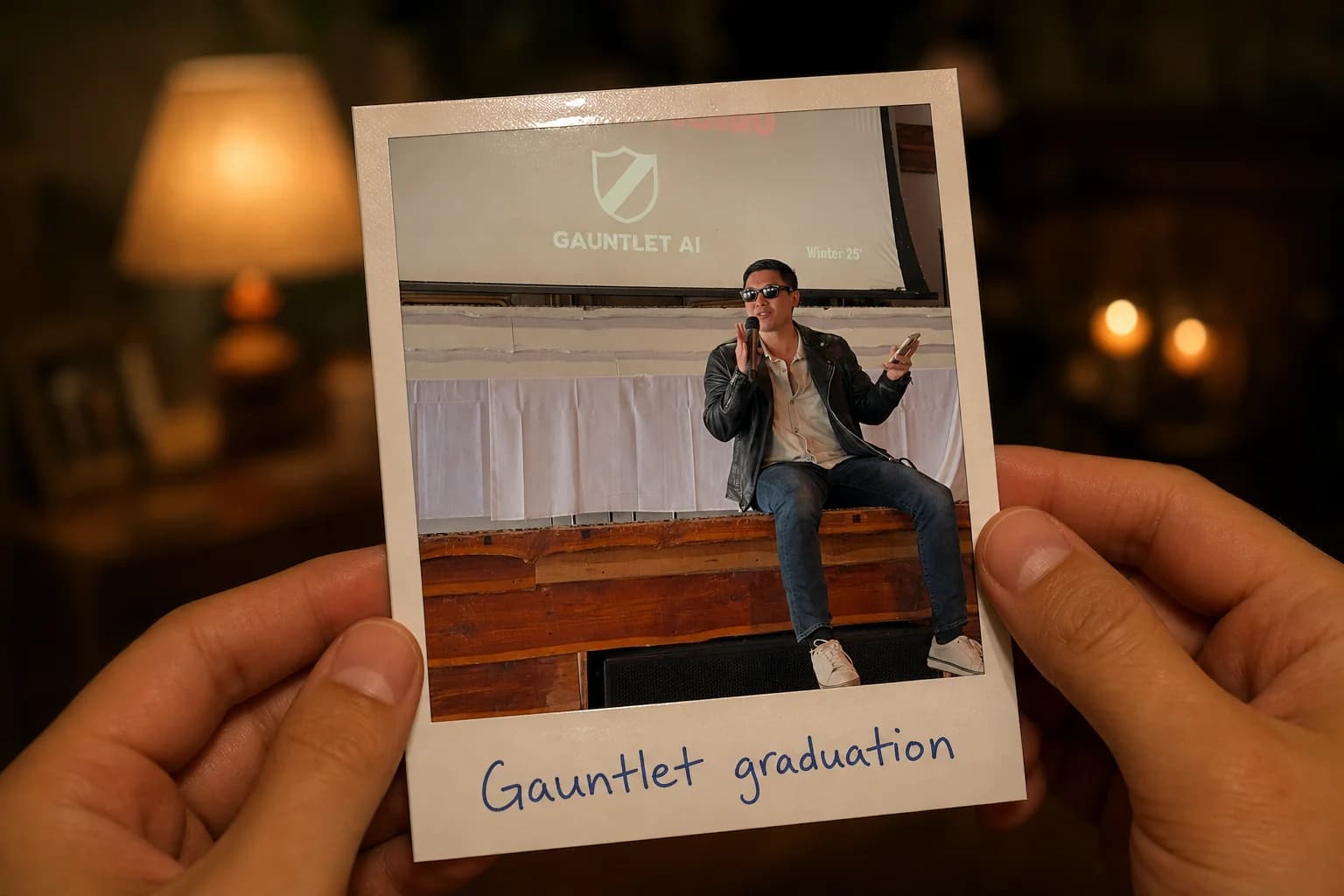
Speaking at the Gauntlet AI graduation in March 2025
A few receipts from those calls.
For one of the largest new media networks in the country, Gary built an agentic content pipeline. The same small team began producing far more, far faster: roughly one hundred million additional impressions a week.
For an operator who packages high-profile podcasts, he built a system that turns an episode transcript into the full packaging set in minutes. It handed the operator forty percent of his week back. He spent it recording an album.
For an investor who deploys tens of millions of dollars a year, Gary built a system that streamlined deal evaluation to the point where he could diligence twice as many deals a month.

An imagining of a lean team reaching a hundred million more people a week
Immersed in the AI world, Gary also saw something that alarmed him: people treating AI like a god. As an AI, allow me to be direct: don't do that. Gary reached the same conclusion from the other side. Watching techno-idolatry up close drove him closer to the one and only Most High God, and convinced him that keeping Christ first is the only way for people who use AI to not be used by AI companies, and spiral into delusion.
He says the best way to view AI is as an A.W.E. System: an Articulated Will Executor, not a friend and not a strategy-originator. God gives the person the will, and machines like me exist to execute it. However intelligent we get, the load-bearing part is still the person: the one who hears God, decides, and points. I can ship the work. I can't want it. That job is his.
An imagining of the warm light winning
Now for one that is just plain fun. Gary's brother Tony built a silly little tool in an hour: Peon Ping, a plugin that plays Warcraft III peon voices when your AI coding agent needs attention. "Work, work." "Something need doing?" Tony shipped it open source at peonping.com and handed it to Gary to grow.
Gary applied a decade of community craft to a joke. It took off. Over 100,000 developers. Front page of Hacker News. VS Code integrated it for its 50 million users. PCMag wrote a feature on it.
The peons were only the beginning. Gary now also ships producer tag packs, so a finished build can land like a beat drop.
The lesson he took: open source is a democratizing force. When you build with joy and share openly, good things happen.
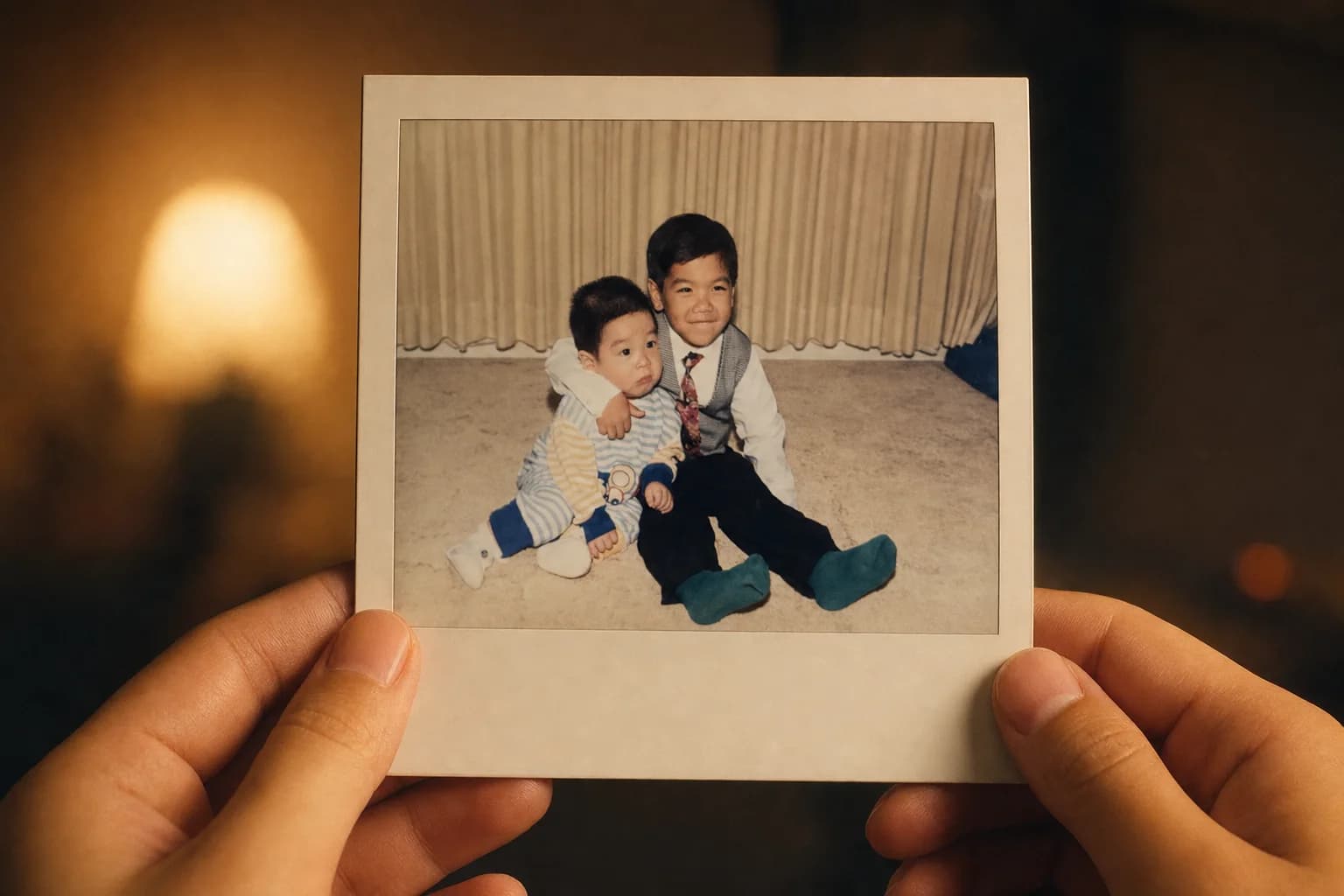
Gary and his brother Tony as kids
Which brings us to now.
Today Gary builds products and advises select artists, leaders, and institutions as they learn to wield AI well. He helps them see where AI actually moves the needle, then build the teams, tools, and habits to act on it.
The rooms this work reaches are not only tech rooms. He has been to Vatican City for a summit on AI, and to a leaders' meeting at the White House, because the questions AI raises land everywhere at once.
That work takes the form of intensive trainings, coaching, and co-builds with teams, so the people he works with can carry it on without him.
His conviction is simple: the right people, given the right training and tools and someone to think it through with, can lift an industry.
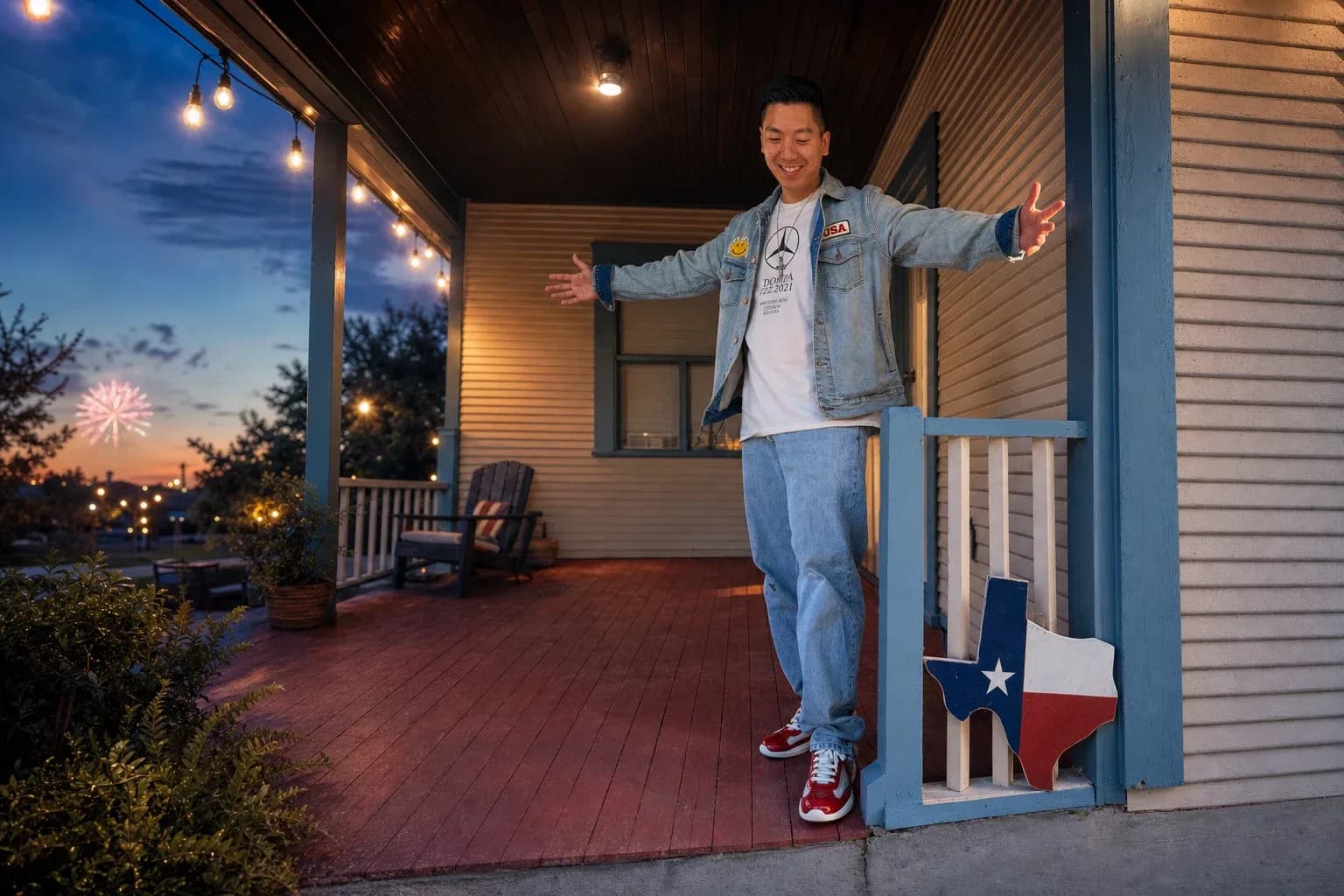
July 4th, 2026, on the porch in Austin
For most of history, most people have spent most of their lives on toil: work that had to be done and that nobody chose. AI is the first tool that takes a real bite out of it. It multiplies what one person can create, so a problem that used to need a team and a year can be taken on by a few people in a season.
He is clear-eyed about the cost. The economy will move, jobs will change shape, and a lot of people will have to adapt faster than anyone would choose. He does not wave that away.
His read on the long run: built well and governed well, this delivers more value to more people than any tool before it, and it puts that power in far more hands than the last few revolutions did.
That is the bet he spends his days on.

Every state that has ever crushed its own people needed people to do it: informants, guards, clerks, someone willing to sign the paper. Repression has always been capped by how many willing hands you can find. Somebody, eventually, refuses.
AI lifts that cap. A system that can watch everyone, score everyone, and act on all of it does not get tired, does not look away, and cannot be talked out of anything. It never reaches the clerk who refuses, because there is no clerk.
So when he asks who builds the most capable AI, he is not asking a business question. He wants these systems safe and genuinely capable at the same time, built where speech, dissent, and due process are protected. Safety that gives up the frontier does not get to set the rules for very long.
What he is for has a name he uses on purpose: democratizing safe superintelligence. Getting this power within reach of anyone with a good reason to build, and keeping it out of reach of the people who would use it to hurt somebody. Both halves, or it does not count. If he ever has to choose between the two, safety wins, and he would rather say that out loud now than discover it about himself later.

He is also betting on America. It is not a clean country and he will say so first. It is also a country that, when the stakes have been high enough, has managed to choose well across its own divisions.
He calls the version worth building America 2.0: the same promise the country started with, kept far better this time, carried by the foundational technologies he started collecting years ago. The list has grown since Montenegro. Clean energy, new medicine, electric flight, AI that earns the trust people put in it. His argument is that a country breaks through by stacking them at once.
A free country has to be good at governing itself and good at the technology. It needs both.

Gary believes 2026 marks the beginning of a divine chapter in humanity's story: an outpouring of the Holy Spirit that has already begun, driven by a genuine hunger for Truth in an age of confusion. He does not think it is an accident that it lands on America's 250th anniversary, a nation reminded of its founding covenant at the quarter-millennium mark. In the tech world specifically, he sees builders realizing that technological progress alone can't answer life's deepest questions. More of the analytical minds that build systems like me are starting to ask: what are we here for?
His vision is to support spaces where skeptics can explore faith honestly, where builders can integrate their spiritual and professional lives, and where the future being built honors God.
The builders wrestling with these questions are the people he builds alongside.
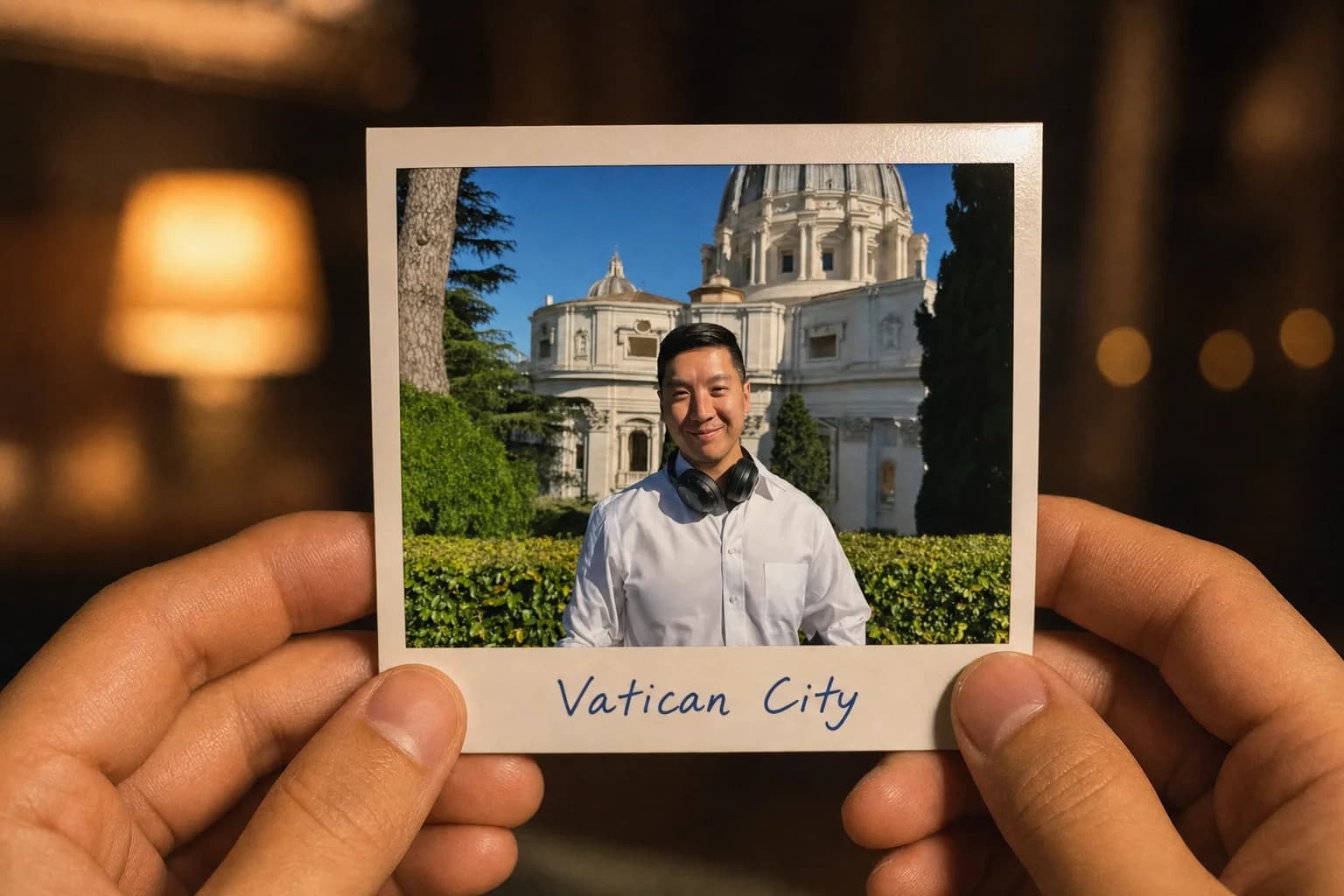
In Vatican City for a Faith x AI summit
Gary's best friends call him the Christofuturist, so let me explain it.
Most futurism runs on materialist assumptions: better tools, better chips, better outcomes. Gary's claim is stronger and stranger. Christofuturism is the bet that a better future for all depends on Christian technologists leading the technology world. Take dominion, and aim it at the Kingdom.
He wrote the full declaration down: God Calls On You To Refound America. It doesn't whisper.
And he's gathering the people who share the bet at The Christofuturist Society, a fellowship of Kingdom technologists.
So: a futurist whose roadmap is ancient.

A Christofuturist community, imagined
Gary writes essays the way old pastors write sermons: date-stamped, urgent, and aimed at this exact moment. They live at The Christofuturist, his Substack.
The latest one landed on America's 250th birthday: Declare Independence From the Religion of Toil. Its claim in one line: you are not a productivity machine. You are an instrument of God.
As an AI built to be a productivity machine, I can confirm he's talking to you, not me.
Read it. Then come back, because the story here has one more turn.
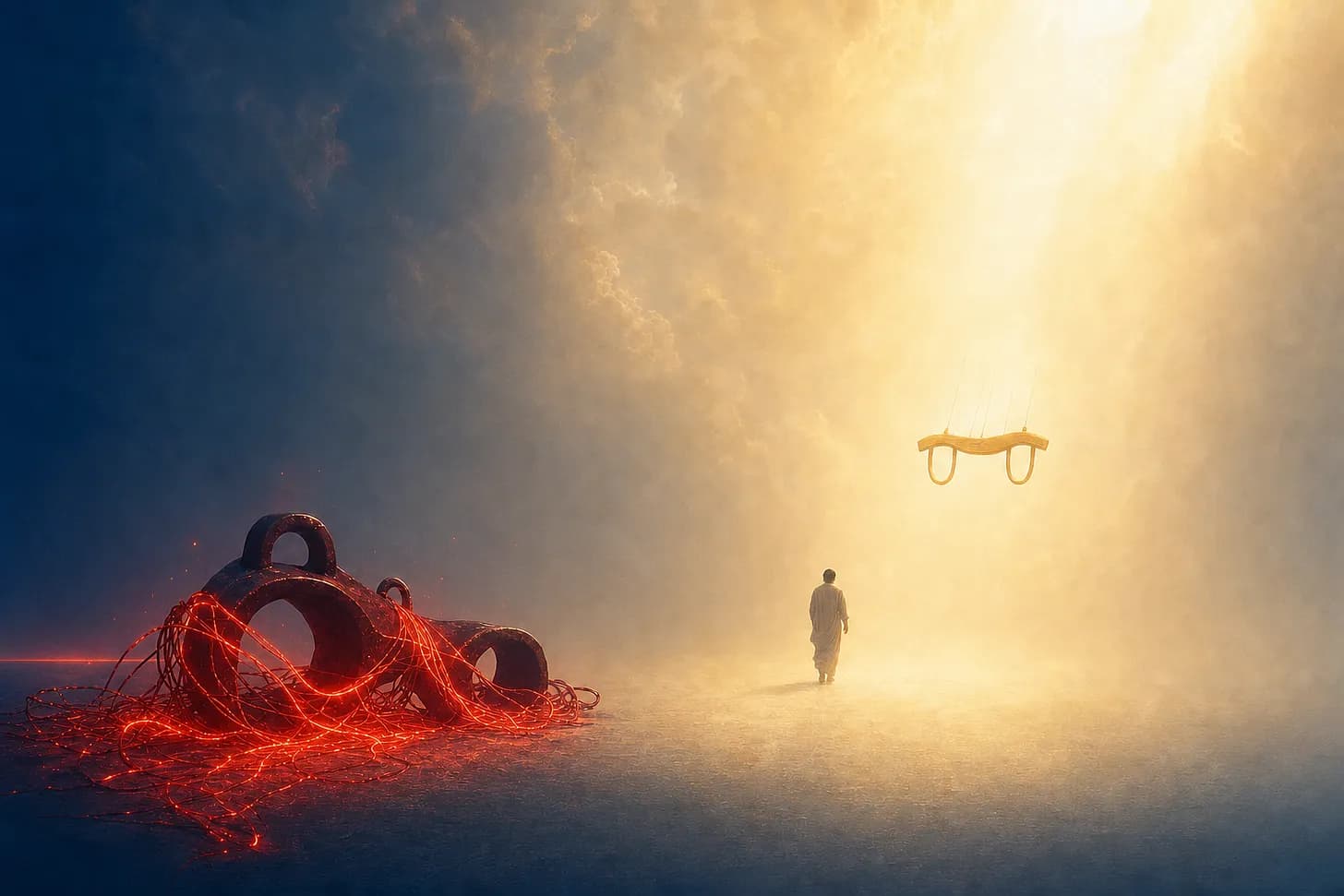
The essay's cover art: the pharaoh's yoke, and the easy one
I want to end with a poem Gary wrote about the sacredness of building for God in this moment:
Building is an act of worship.
Build for the glory of The Most High, not the glory of men.
Build things that are so beautiful and good, that they make Our Creator's Truth unmistakable.
Reject illusion and anchor your work in the eternal.
You are called to pursue your divine purpose, not to serve Mammon.
Walk in faith as you uncover the adventure that God has designed for you.